
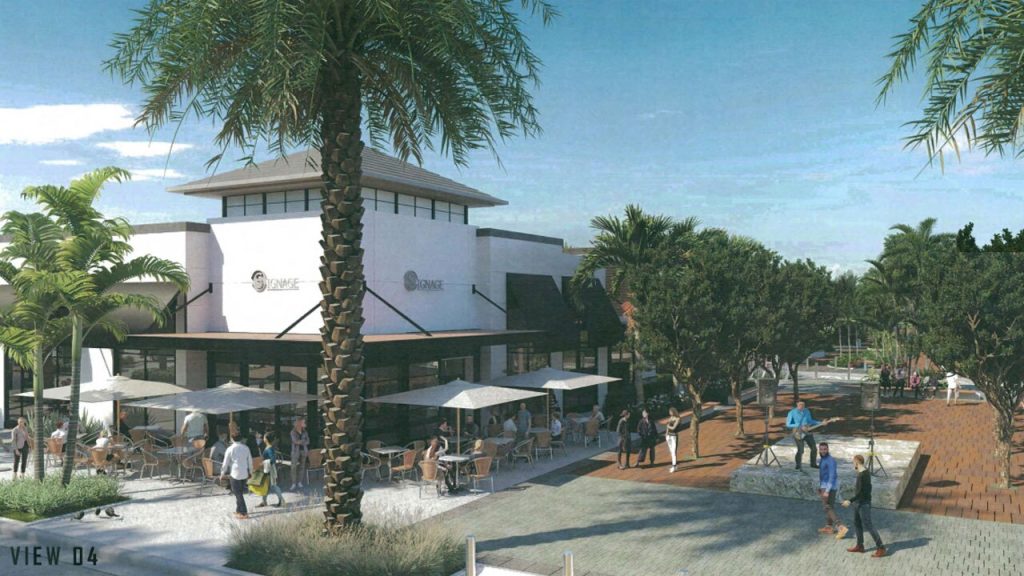
When it comes to developing Palm Beach properties, understanding and navigating the local zoning laws is crucial. These regulations dictate how land can be used and developed, impacting everything from the type of buildings that can be constructed to the specific uses allowed on a property. For anyone interested in Palm Beach real estate, particularly developers and investors, having a firm grasp on these laws is essential for successful projects.
Understanding Zoning Laws in Palm Beach
Zoning laws in Palm Beach are designed to manage the development and use of land in a way that promotes the health, safety, and general welfare of the community. These laws are set by the local government and can vary significantly from one area to another. In Palm Beach, zoning regulations are categorized into different districts, such as residential, commercial, industrial, and mixed-use zones.
Each zoning district has specific regulations regarding the types of buildings that can be constructed, their sizes, heights, and setbacks from property lines. For example, residential zones may limit the height of buildings and require specific distances between structures to maintain the character of the neighborhood. Commercial zones, on the other hand, may have different requirements to accommodate businesses and ensure adequate parking and traffic flow.
Key Zoning Districts in Palm Beach
- Residential Zones: These zones are primarily intended for housing and are divided into various subcategories, such as single-family homes, multi-family residences, and high-density residential areas. Understanding the distinctions between these subcategories is vital for developers looking to build residential properties in Palm Beach.
- Commercial Zones: These areas are designated for businesses, including retail stores, offices, and restaurants. Commercial zoning laws often focus on providing sufficient parking, controlling signage, and managing traffic impacts to create a conducive environment for business operations.
- Industrial Zones: Industrial areas are reserved for manufacturing, warehousing, and other heavy-duty uses. These zones typically have fewer restrictions on building heights and setbacks but may have specific requirements related to environmental impact and safety.
- Mixed-Use Zones: Mixed-use zones allow for a combination of residential, commercial, and sometimes industrial uses within the same area. These zones are designed to create vibrant, walkable communities where people can live, work, and play.
Navigating the Zoning Approval Process
Developers looking to build on Palm Beach properties must navigate the zoning approval process, which can be complex and time-consuming. The process typically involves several steps:
- Zoning Verification: Before purchasing a property, it’s essential to verify its zoning designation to ensure that the intended development is permitted under current regulations. This can be done by consulting the Palm Beach zoning map or contacting the local zoning office.
- Site Plan Review: Developers must submit a detailed site plan outlining the proposed development. The site plan should include information on building locations, parking areas, landscaping, and any other relevant details. The plan is reviewed by local zoning officials to ensure compliance with zoning laws.
- Public Hearings: In some cases, particularly for large or controversial developments, public hearings may be required. These hearings allow community members to voice their opinions and concerns about the proposed project.
- Zoning Variances and Amendments: If a proposed development does not conform to existing zoning regulations, developers may need to apply for a variance or zoning amendment. A variance allows for a deviation from specific zoning requirements, while an amendment changes the zoning designation of a property. Both require approval from the local zoning board or city council.
Working with a Knowledgeable Realtor
Given the complexity of Palm Beach zoning laws, working with an experienced realtor can be incredibly beneficial. A knowledgeable Palm Beach realtor like Jean Taveras from Atlis Realty can provide invaluable guidance throughout the development process. With expertise in Palm Beach real estate, Jean Taveras can help navigate zoning regulations, identify suitable properties, and facilitate communication with local zoning authorities.
Successfully developing Palm Beach properties requires a thorough understanding of local zoning laws and a strategic approach to navigating the approval process. By familiarizing yourself with the key zoning districts and regulations, working closely with experienced professionals, and proactively engaging with the community, you can ensure that your development projects in Palm Beach real estate are both compliant and successful. For expert assistance, consider reaching out to Palm Beach realtor Jean Taveras at Atlis Realty. Their deep knowledge of the Palm Beach market and zoning landscape can be a significant asset in your property development endeavors.